




Running an online store is thrilling, but it’s important to set some ground rules – not just for your customers, but for your own protection, too. Think of it like this: when you walk into a physical store, there are unspoken understandings about behavior. You can’t just run off with items without paying, right? Terms and Conditions (T&Cs) are the online equivalent of those rules, and they’re vital for any e-commerce business.
Why Bother with T&Cs?
Imagine a scenario where a customer misuses your product and tries to blame you for damages. Or maybe someone copies your unique designs and claims them as their own. Without clear T&Cs, you could find yourself in a legal mess or dealing with frustrated customers. Clear rules not only protect you from these kinds of issues, but they also build trust by showing shoppers you’re running a transparent and fair business.
Writing Your T&Cs: You’ve Got Options
If legalese isn’t your strong suit, don’t worry. You have a few paths to choose from:
- Get a Lawyer: For complex businesses or if you need specific legal clauses, it’s always safest to get advice from an expert in e-commerce law.
- Use Templates: There are plenty of templates online that you can adapt to your business. Just be sure to read the fine print on those templates, too!
- Do It Yourself (DIY): If you’re up for the challenge and have done your research, you can write your own T&Cs. Be sure to be thorough and look into legal requirements in your area.
Important Note: This article provides general information and is not a substitute for legal advice.

What Goes into Your T&Cs? The Must-Haves
No matter how you create your T&Cs, here’s what they need to include:
- Privacy Policy: How do you gather, use, and store customer information? Be transparent about data collection practices and how customer information is protected.
- Cookie Policy: Are you tracking user behavior with cookies? You need to disclose this and provide options for users to manage their cookie preferences.
- Liability Clause: This protects your business if someone tries to hold you responsible for damages caused by your products or services. Clearly define the limits of your liability.
- Intellectual Property Clause: You own your website’s content, designs, and logos – make sure that’s clear. Protect your creative assets from unauthorized use.
- Termination Clause: Explain your right to cancel user accounts if they break the rules. Establish guidelines for acceptable behavior on your platform.
- Third-Party Websites: If you link to other sites, you’re not responsible for their content. State that clearly to avoid any confusion or legal issues.
- Dispute Resolution: How will you handle disagreements with customers? Explain the process for resolving conflicts, whether through negotiation, mediation, or other means.
- Governing Law: Which laws will apply in case of legal issues? Specify the jurisdiction that will govern any disputes arising from your T&Cs.
- Payment Terms: Clearly outline your payment policies, including accepted payment methods, refund and return policies, and any fees or charges.
- Shipping and Delivery: Specify shipping options, estimated delivery times, and associated costs. Address international shipping if applicable.
- Product Descriptions and Warranties: Ensure accurate and detailed product descriptions. If you offer any warranties, clearly state their terms and conditions.
- User-Generated Content: If you allow customers to leave reviews or post content, establish guidelines for appropriate behavior and reserve the right to moderate or remove content.
- Modifications to T&Cs: State your right to update your T&Cs as needed. Explain how you will notify customers of changes and how they can accept the revised terms.
Introducing Mega Terms and Conditions: Your T&Cs Made Easy
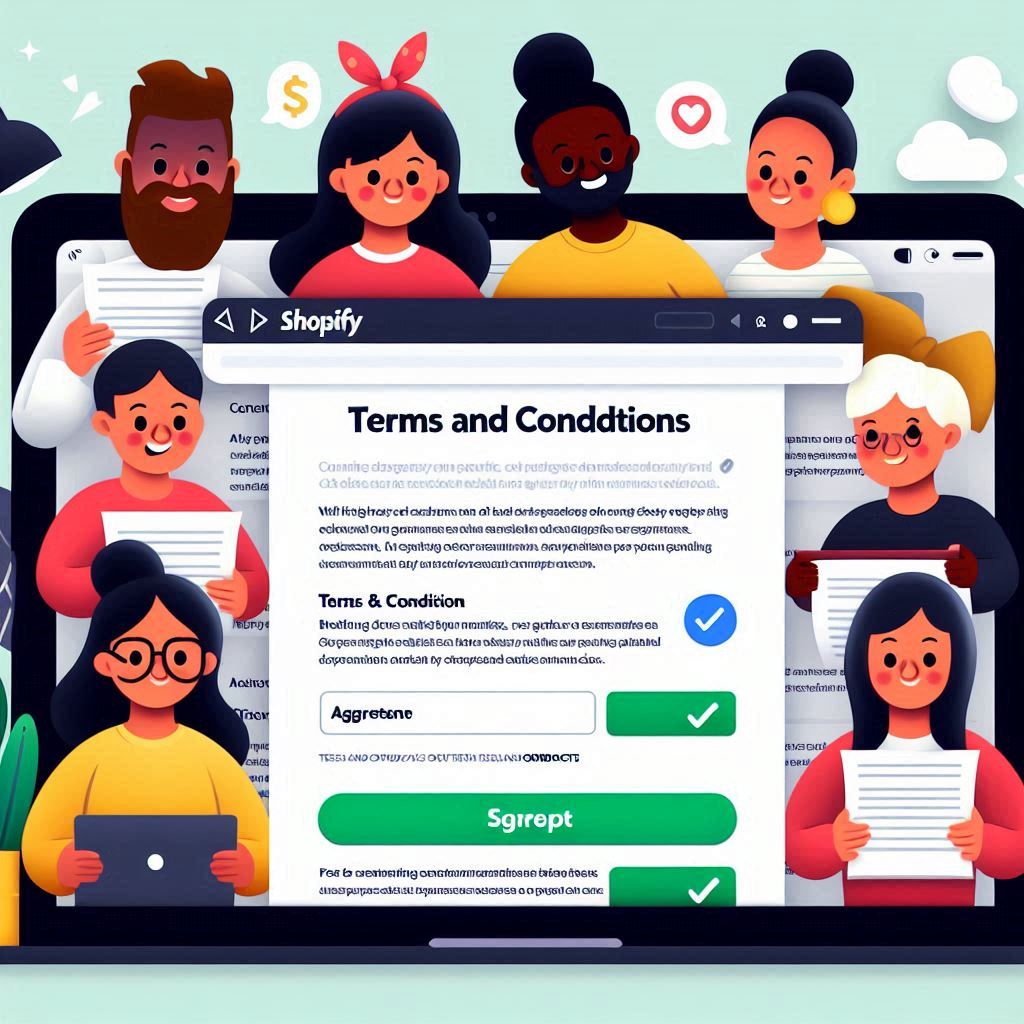
Creating and implementing T&Cs might feel like a chore, but it doesn’t have to be. That’s where Mega Terms and Conditions come in. This Shopify app makes it super simple to add a “Terms and Conditions” checkbox right in your shopping cart.
With customizable text that you can match to your store’s policies and a smooth checkout process, Mega Terms and Conditions helps you check all the legal boxes and make your customers feel more secure. Whether you’re prepping for a big sale or just want to strengthen your store’s foundation, this app is a user-friendly solution.
Key Features of Mega Terms and Conditions
- Add a “Terms and Conditions” checkbox to your cart
- Customize the text to match your policies
- Streamline the checkout experience
- Protect your business and increase customer trust
Additional Tips for Effective T&Cs
- Clear and Concise Language: Avoid legal jargon and write in plain language that’s easy for customers to understand.
- User-Friendly Format: Use headings, bullet points, and clear formatting to make your T&Cs easy to navigate.
- Regularly Review and Update: As your business grows and changes, so should your T&Cs. Regularly review and update them to ensure they remain relevant and accurate.
- Display Prominently: Make sure your T&Cs are easily accessible on your website. Include links in your website footer, checkout page, and any other relevant locations.
Secure Your E-Commerce Future
Protecting your online store is an ongoing process, and a well-crafted T&Cs page is a big step in the right direction. By setting clear rules and ensuring your customers agree to them, you’re creating a safe and trustworthy environment for your business to flourish. Remember, it’s not just about the rules – it’s about building a positive experience for both you and your customers.
Ready to make your e-commerce venture even more secure? Install Mega Terms and Conditions today and give your store the solid legal foundation it deserves.
Related Post
How to Design a UX-UI Wise Free Shipping Bar to Boost Sales in
Promote free shipping, boost sales, and motivate customers to buy more with progressive

Tips on How to Choose the Perfect App for Your Shopify Store
Ever wished your Shopify store could do more? Maybe pull in more sales,

Unlock the Golden Opportunity: Holiday Season Success for Online Retailers
The holiday season, particularly Christmas and New Year, is a retailer's golden ticket.
Shout about Free Delivery Promotions with Mega Free Shipping Bar
In the dynamic world of e-commerce, staying ahead requires innovative strategies to attract